
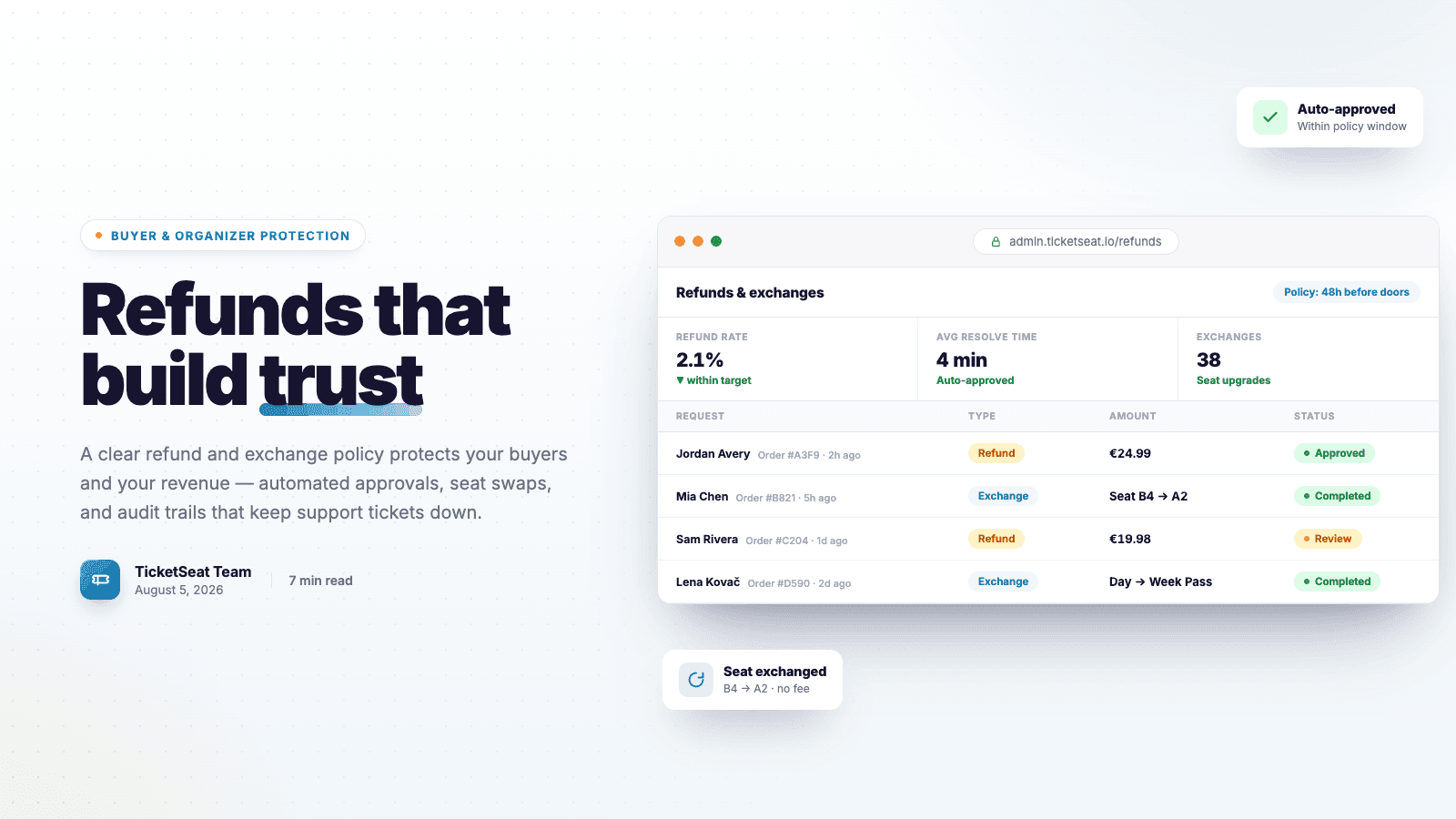
Crafting a clear, fair ticket refund policy is one of the most critical steps to protecting your event revenue while maintaining a great relationship with your attendees. A well-written policy prevents costly disputes, simplifies customer service, and sets crystal-clear expectations from the moment a ticket is purchased. Let's explore how to build rules that handle refunds and exchanges fairly without exposing your bottom line to unnecessary risk.
Why You Need an Ironclad Ticket Refund Policy
When attendees buy a ticket, they are making a commitment to your event. However, life happens—people get sick, travel plans change, or emergencies arise. Without a defined ticket refund policy, your team will be bogged down with ad-hoc requests, leading to inconsistent customer service and potential revenue loss.
Setting Clear Expectations
The primary goal of your policy is transparency. If attendees know upfront that all sales are final, they are less likely to complain later. Conversely, if you offer a flexible policy, advertising it clearly can actually boost initial ticket sales by removing the fear of commitment. By requiring buyers to check a box agreeing to your terms during checkout, you establish a legally binding agreement that protects your organization.
Avoiding Costly Chargebacks
One of the biggest threats to event organizers is credit card chargebacks. A chargeback occurs when a buyer disputes a transaction directly with their bank, forcing the funds to be temporarily or permanently reversed. If you lose the dispute, you lose the ticket revenue and get hit with a costly penalty fee from your payment processor. A well-documented cancellation policy that the customer explicitly agreed to is your best defense when fighting these disputes.
Key Elements of an Effective Cancellation Policy
Your cancellation policy should be easy to find, easy to read, and comprehensive enough to cover various scenarios. Burying your rules in a massive wall of legal jargon only frustrates buyers and complicates dispute resolution.
Strict No-Refund Clauses vs. Flexible Options
Many event organizers opt for a strict "All Sales Are Final" policy. This is the industry standard for concerts, festivals, and one-off events because it guarantees your revenue. However, if you are running recurring classes, workshops, or community theater shows, offering limited refunds up to 48 hours before the event might be more appropriate. You need to decide which approach aligns best with your cash flow needs and audience expectations.
Handling Postponements and Cancellations
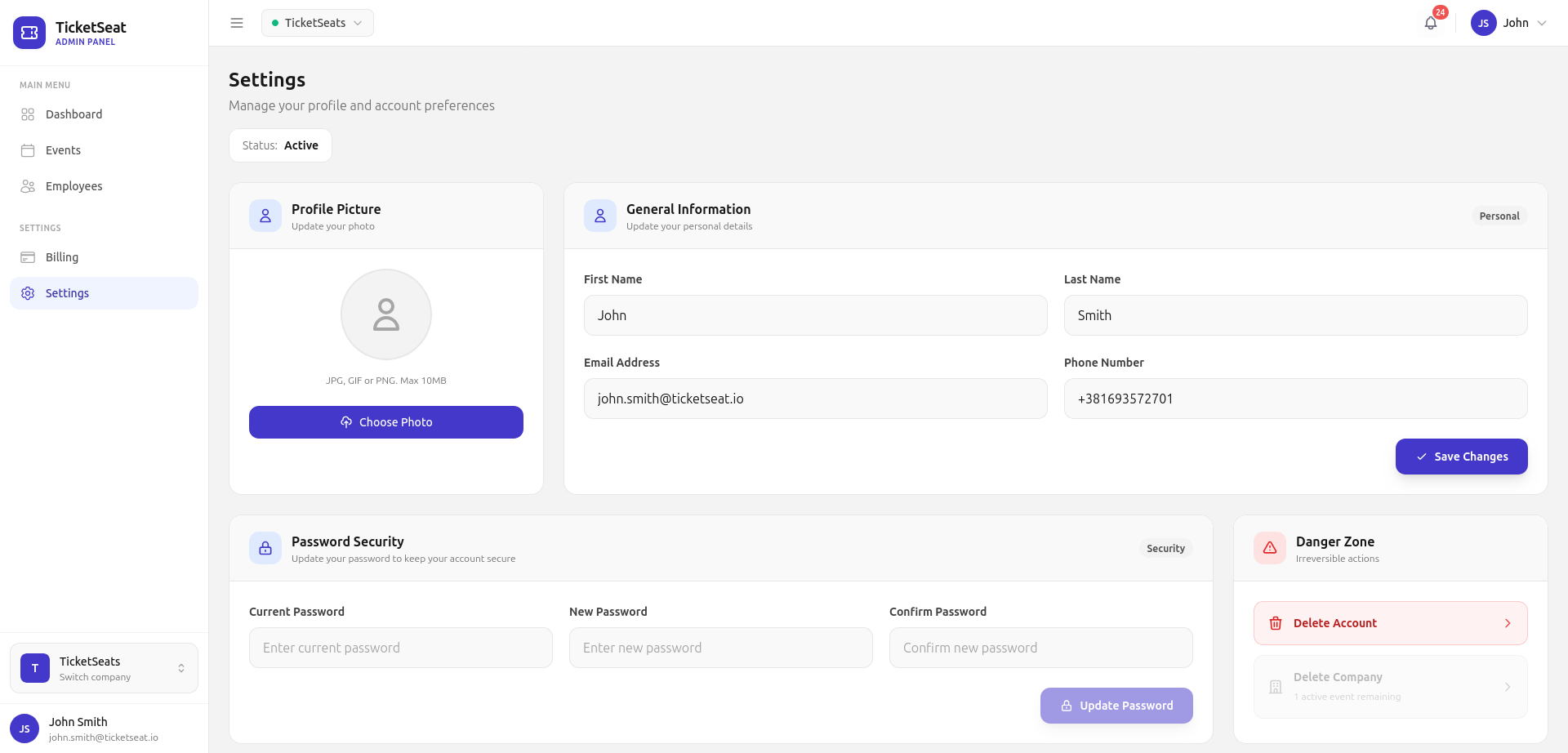
Your ticket refund policy must address what happens if you have to cancel or reschedule the event. If an event is postponed, the standard practice is to automatically transfer tickets to the new date while giving buyers a limited window (e.g., 14 days) to request refunds if they cannot attend. If an event is outright canceled, you are legally and ethically obligated to issue full refunds to all buyers. Make sure your policy explicitly states whether ticketing fees are refundable in these scenarios.
Managing Refunds and Exchanges Gracefully
Even with the strictest policies in place, you will occasionally need to make exceptions. Empowering your box office team with clear guidelines on when to bend the rules is crucial for reputation management.
Processing Full vs. Partial Refunds
Sometimes, offering a partial refund is a great compromise. If an attendee complains about a specific aspect of the event or cannot attend part of a multi-day festival, offering a 50% refund or a credit for a future event can turn a frustrated customer into a loyal fan. When you process refunds, ensure they are returned to the original payment method to maintain accounting accuracy and prevent fraud.
Swapping Dates or Seats (Exchanges)
Offering exchanges is a fantastic alternative to giving money back. If a buyer cannot make a Friday night show, swapping their ticket for Saturday night keeps the revenue in your pocket while keeping the attendee happy. Ensure your ticketing software allows for seamless seat transfers so you don't end up double-booking inventory.
Comparison: Rigid vs. Flexible Ticket Refund Policies
Not sure which route to take? Here is a breakdown of the two main approaches to handling event ticketing policies.
| Policy Feature | Strict "All Sales Final" Policy | Flexible Refund/Exchange Policy |
|---|---|---|
| Revenue Security | High – Money stays in your account. | Variable – Revenue can fluctuate up until the event. |
| Ticket Sales Conversion | Standard – Buyers expect this for major events. | Higher – Removes purchase hesitation for attendees. |
| Customer Satisfaction | Low – Denied requests can lead to frustration. | High – Buyers appreciate the leniency. |
| Administrative Burden | Low – Very few requests to process. | High – Team must manually manage exchanges and returns. |
| Chargeback Risk | Moderate – Frustrated buyers may dispute charges. | Low – Buyers get their money back without needing the bank. |
How to Minimize Refund Requests Before the Event
The best way to deal with refunds is to prevent the request in the first place. Often, buyers ask for their money back because they misunderstood what they were buying.
Accurate Venue and Event Info
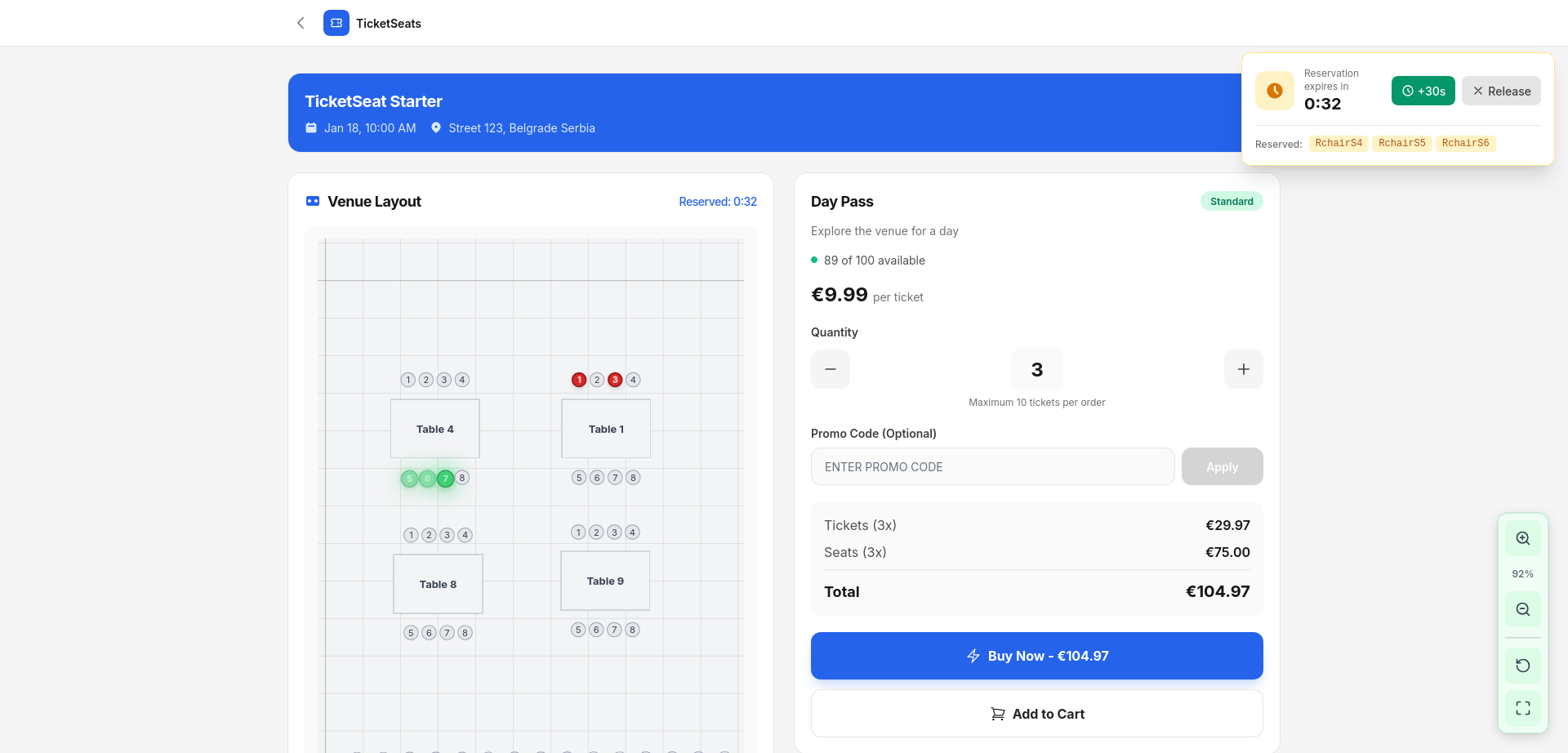
Ensure your event landing page is incredibly detailed. Include age restrictions, parking availability, weather policies (if outdoors), and clear start times. When selling reserved seating, allowing buyers to see exactly where they will sit eliminates post-purchase regret. Check out our guide on how Interactive Seat Maps: Boost Conversions 40% to see how visual layouts improve buyer confidence.
Pre-Event Communication
Send a detailed email a few days before the event outlining everything the attendee needs to know. Remind them of the cancellation policy and provide instructions for transferring tickets to a friend if they can no longer attend. Proactive communication reduces day-of-show anxiety and keeps your inbox clear. For more tips on managing the day of the event, read our Event Check-In Best Practices.
Best Practices for Dispute Resolution and Chargebacks
No matter how robust your ticket refund policy is, some buyers will bypass you and file chargebacks. When this happens, your payment processor (like Stripe) will notify you and hold the disputed funds.
To win the dispute, you must submit compelling evidence quickly. This should include:
- The buyer's IP address and checkout timestamp.
- A copy of the cancellation policy they agreed to at checkout.
- Proof that the event took place as advertised.
- Records showing whether the ticket was scanned at the door.
If the ticket was scanned and used, you have a very strong case for winning the dispute. To ensure you have all this data at your fingertips, you need a robust ticketing platform. Learn more about setting up your infrastructure in our How to Sell Tickets Online: Complete 2026 Guide.
Frequently asked questions
Should I offer refunds for bad weather?
If your event is outdoors, you should have a clear "Rain or Shine" clause in your cancellation policy. If the weather poses a severe safety risk (e.g., lightning or hurricanes) and you are forced to cancel, you must offer refunds or honor the tickets for a rescheduled date.
How do I handle a chargeback if I have a no-refund policy?
You must submit evidence to your payment processor proving the buyer agreed to your terms at checkout. Provide a copy of your ticket refund policy, the buyer's transaction receipt, and proof that your policy was clearly displayed before purchase.
Can I charge a fee for ticket exchanges?
Yes. Many venues charge a small administrative fee to process exchanges. This discourages frivolous requests while still offering buyers a flexible alternative to completely losing their ticket value.
Do I have to refund ticket fees?
This depends entirely on your stated policy. Most ticketing platforms do not refund their processing fees to the organizer. Therefore, most organizers explicitly state in their cancellation policy that "all ticketing and processing fees are non-refundable" to avoid taking a loss on returned tickets.
Handle Refunds and Exchanges Seamlessly with TicketSeat
Managing a ticket refund policy, processing exchanges, and fighting chargebacks doesn't have to be a nightmare. With TicketSeat, you have complete control over your event's terms and conditions, ensuring buyers agree to your rules before they ever enter their credit card details.
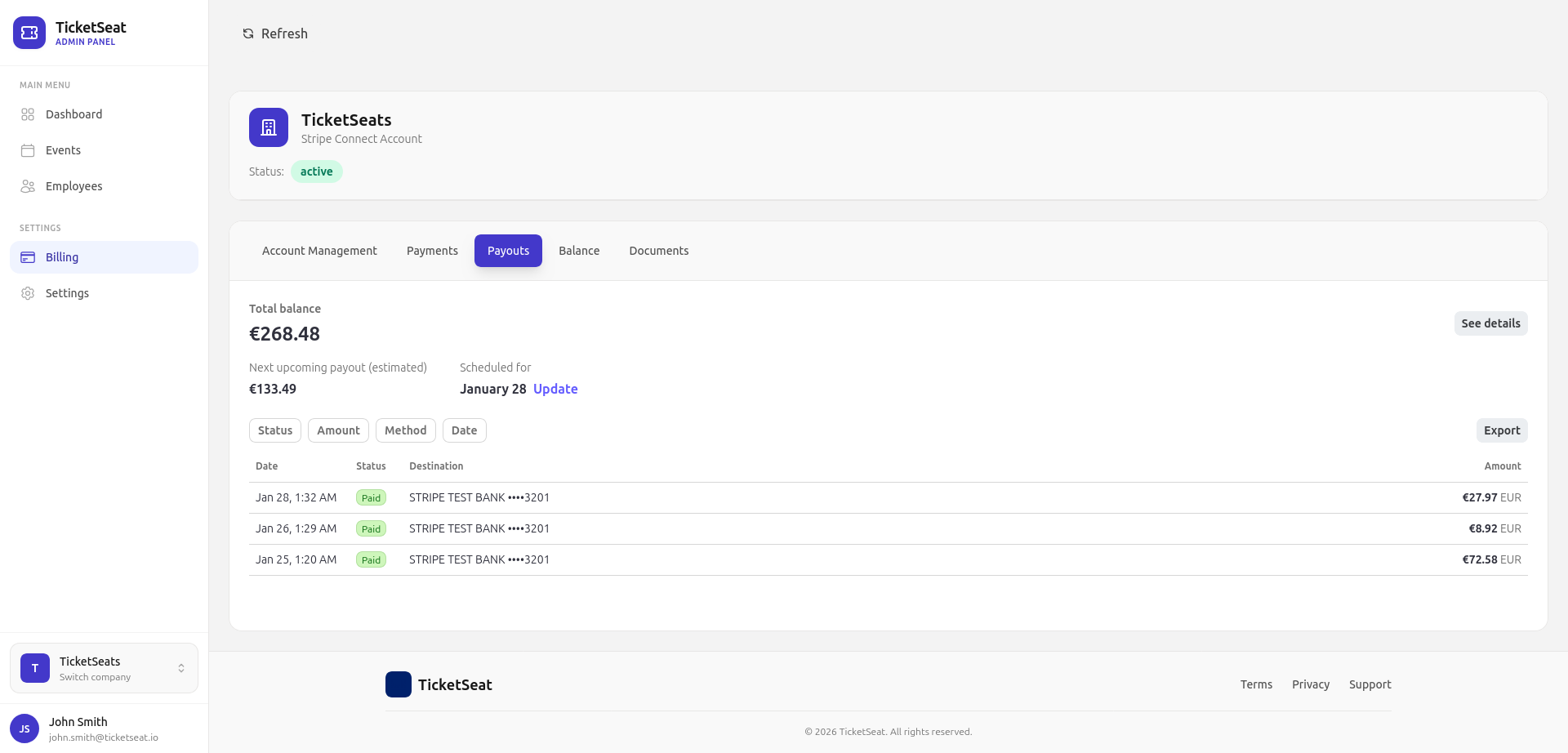
TicketSeat makes customer service incredibly easy. Our platform integrates directly with Stripe payouts, allowing you to issue full or partial refunds with a single click. Need to process an exchange? Our intuitive admin dashboard lets you swap seats or move buyers to a different event date in seconds. Plus, with flat transparent pricing, no contracts, and a powerful drag-and-drop venue designer, you keep more of your revenue while delivering a premium experience.
Ready to take control of your box office? Build your event today—free events are always free, and you'll always have access to real human support when you need it.
TicketSeat Team
Sharing insights about event ticketing, platform updates, and industry best practices.
Related Articles
View all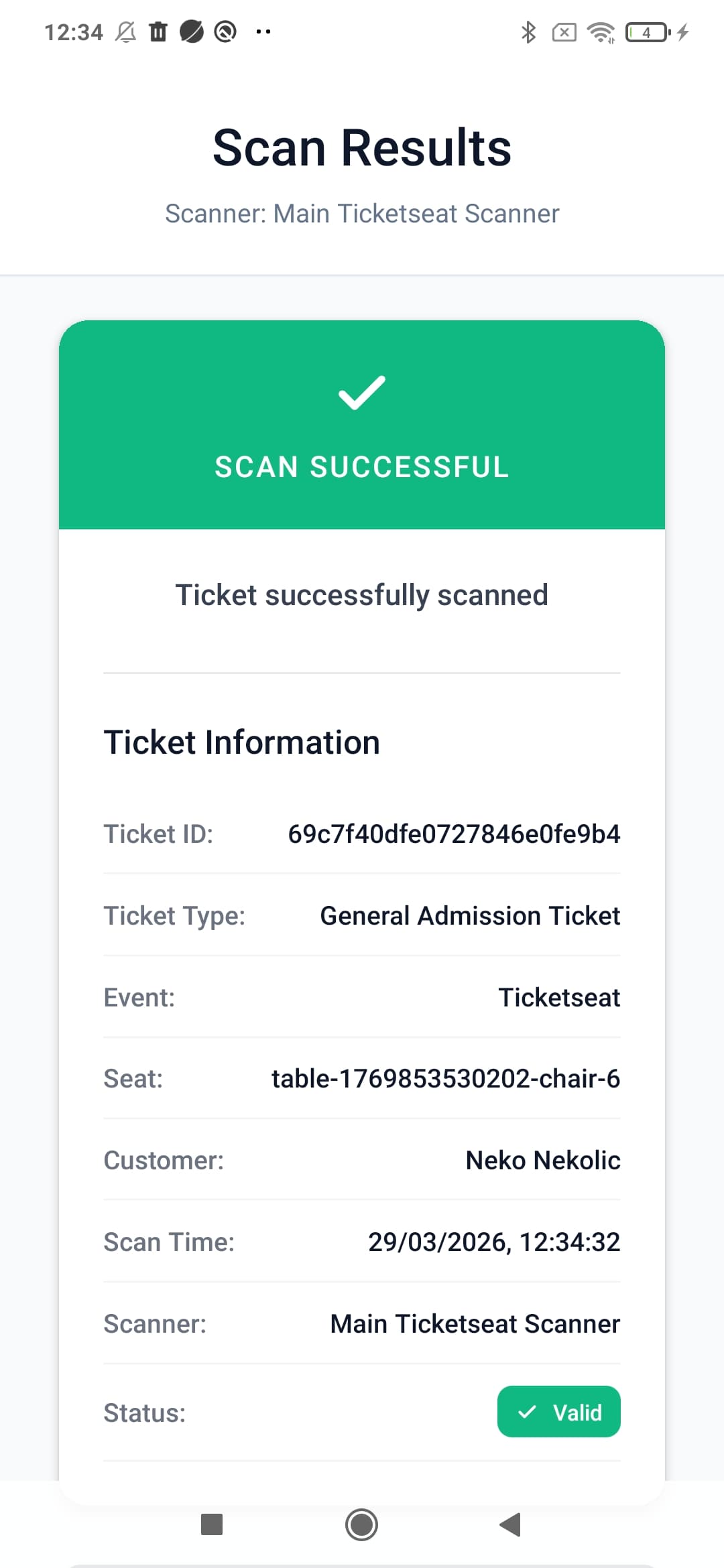
How to Prevent Ticket Fraud and Scalping at Your Events
Protect your event revenue and attendees by mastering ticket fraud prevention. Learn how to stop duplicate tickets, implement QR validation, and combat scalping.
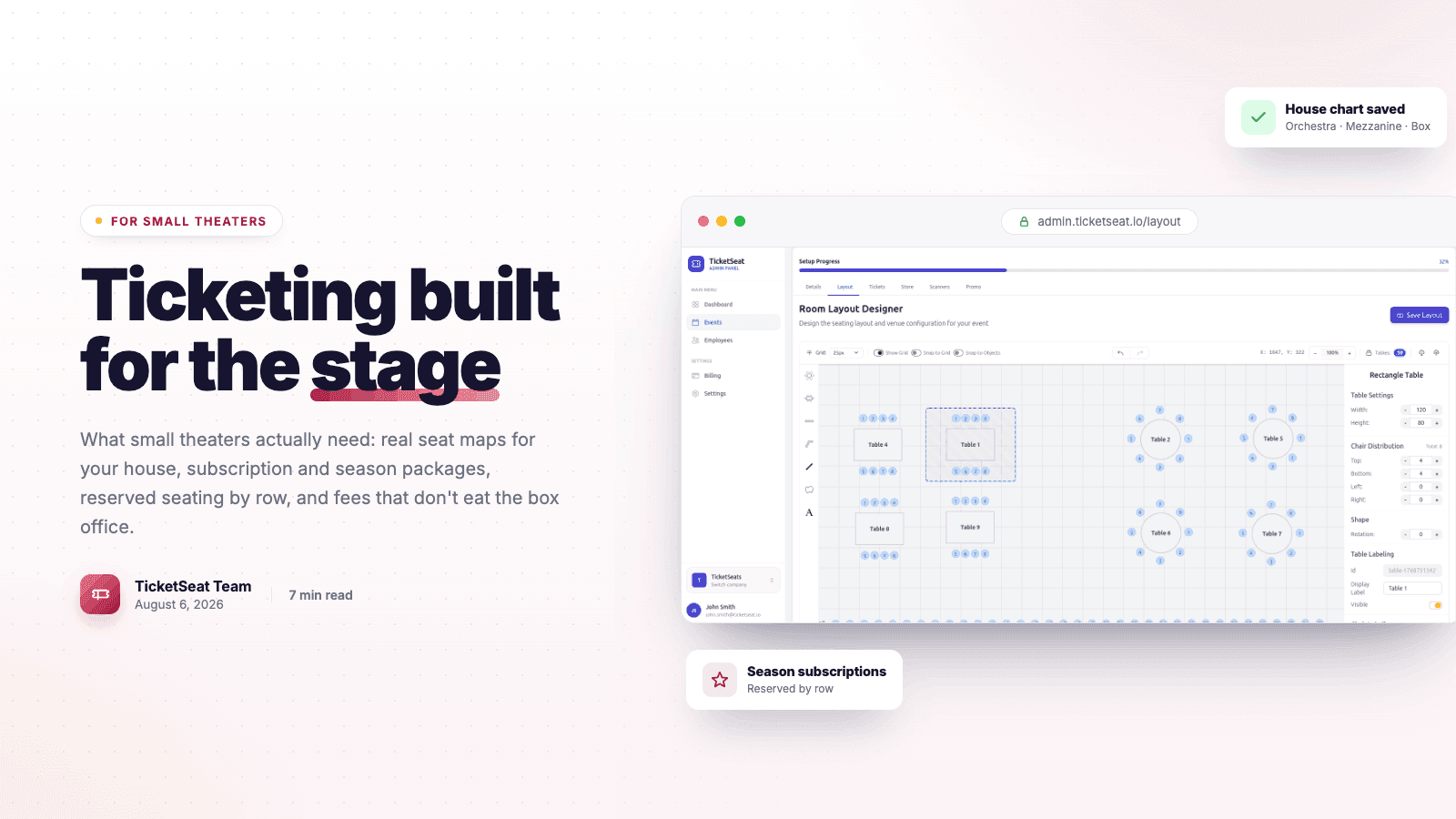
Theater Ticketing Software: What Small Theaters Actually Need
Finding the right theater ticketing software shouldn't mean paying for bloated features. Learn how small theaters can leverage reserved seating, intuitive box office tools, and interactive seating charts to boost revenue and delight patrons.
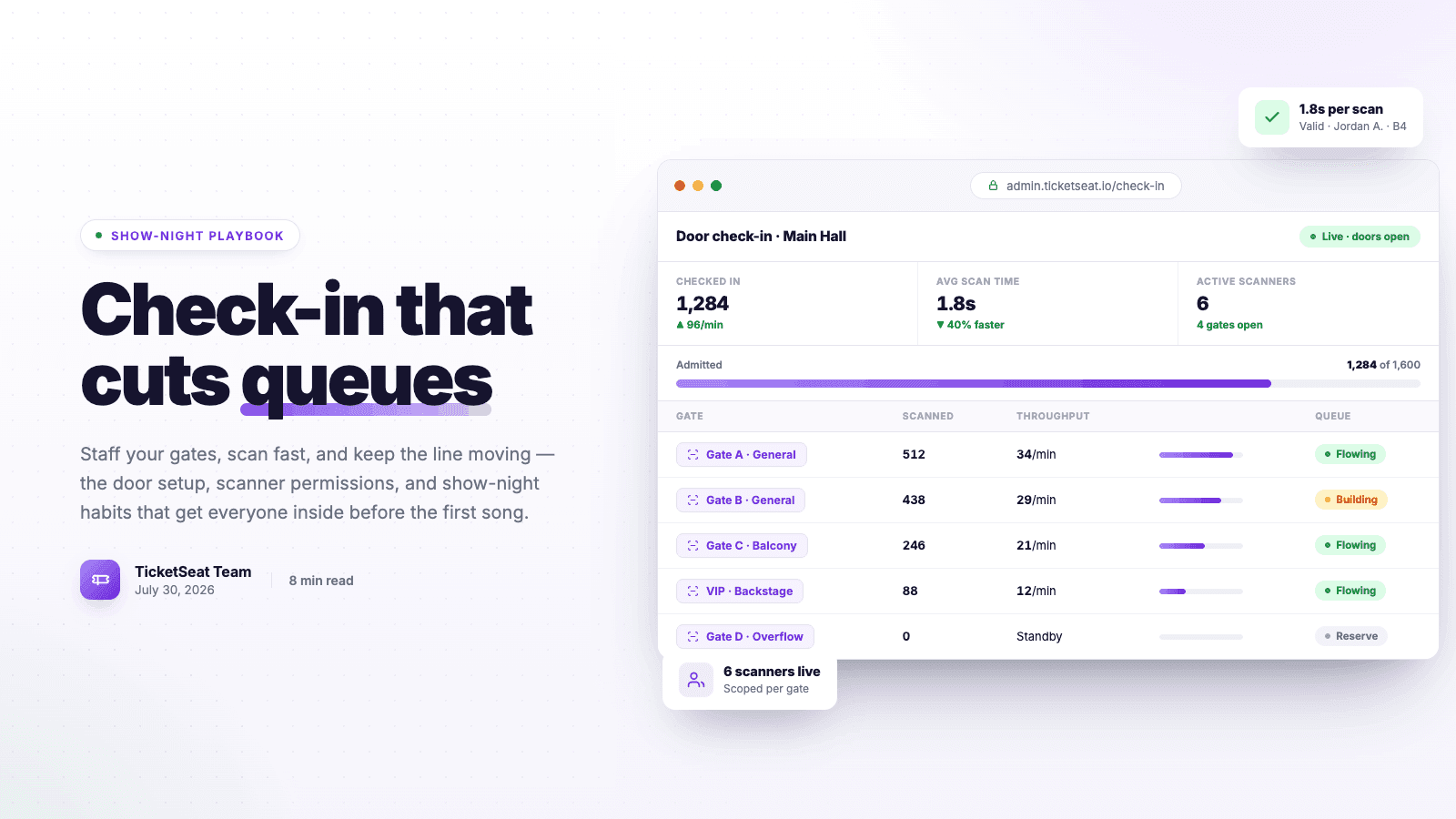
Event Check-In Best Practices: Cut Queues on Show Night
Master your event check-in process to eliminate long queues and elevate the attendee experience. Learn top strategies for entry management, empowering door staff, and boosting your check-in speed.
Compare Ticketseat
See how Ticketseat stacks up against other ticketing platforms.
Ready to Transform Your Event Ticketing?
Join thousands of event organizers who trust Ticketseat for their ticketing needs.