
Effective ticket fraud prevention is no longer just a concern for massive stadium tours; local venues, theaters, and independent organizers are increasingly targeted by bad actors. By implementing robust security measures and strict verification protocols, you protect your hard-earned revenue and ensure that genuine fans aren't left stranded at the door. Taking a proactive approach to event security keeps your brand reputation intact while delivering a seamless, stress-free experience for your attendees.
The Rising Threat to Live Events
Event organizers spend countless hours booking talent, designing seating charts, and marketing their shows. Unfortunately, scammers also view your sold-out events as a lucrative opportunity. When an event gains traction, unauthorized resellers and fraudsters attempt to intercept your ticket supply, reselling invalid or inflated tickets to unsuspecting fans.
When attendees show up with fraudulent tickets, the resulting chaos at the box office is devastating. Not only do you face angry customers who have been scammed out of their money, but your staff must spend valuable time managing the fallout instead of processing legitimate entries. Prioritizing secure ticketing is the only way to safeguard your venue's operations and build lasting trust with your audience.
The Mechanics of Event Ticket Fraud
Before you can defend your venue, you must understand the methods scammers use to exploit ticketing systems. Fraudsters typically rely on a few common tactics to bypass outdated security measures.
The Menace of Duplicate Tickets
One of the most frequent issues at the door is the presentation of duplicate tickets. A scammer purchases a single legitimate ticket and then photocopies or screenshots the barcode, selling the same admission pass to dozens of people online. Because the barcode is technically valid, the first person to arrive is granted entry, while everyone else who purchased the duplicate is turned away.
Bot-Driven Scalping
Scalping has evolved far beyond individuals standing outside venues offering paper tickets. Today, organized syndicates use automated bot networks to rapidly purchase large blocks of tickets the second they go on sale. This creates an artificial scarcity, shutting out real fans. The scalpers then list these tickets on secondary markets at exorbitant markups, keeping the profit while you, the organizer, see none of the upside.
Phishing and Fake Event Pages
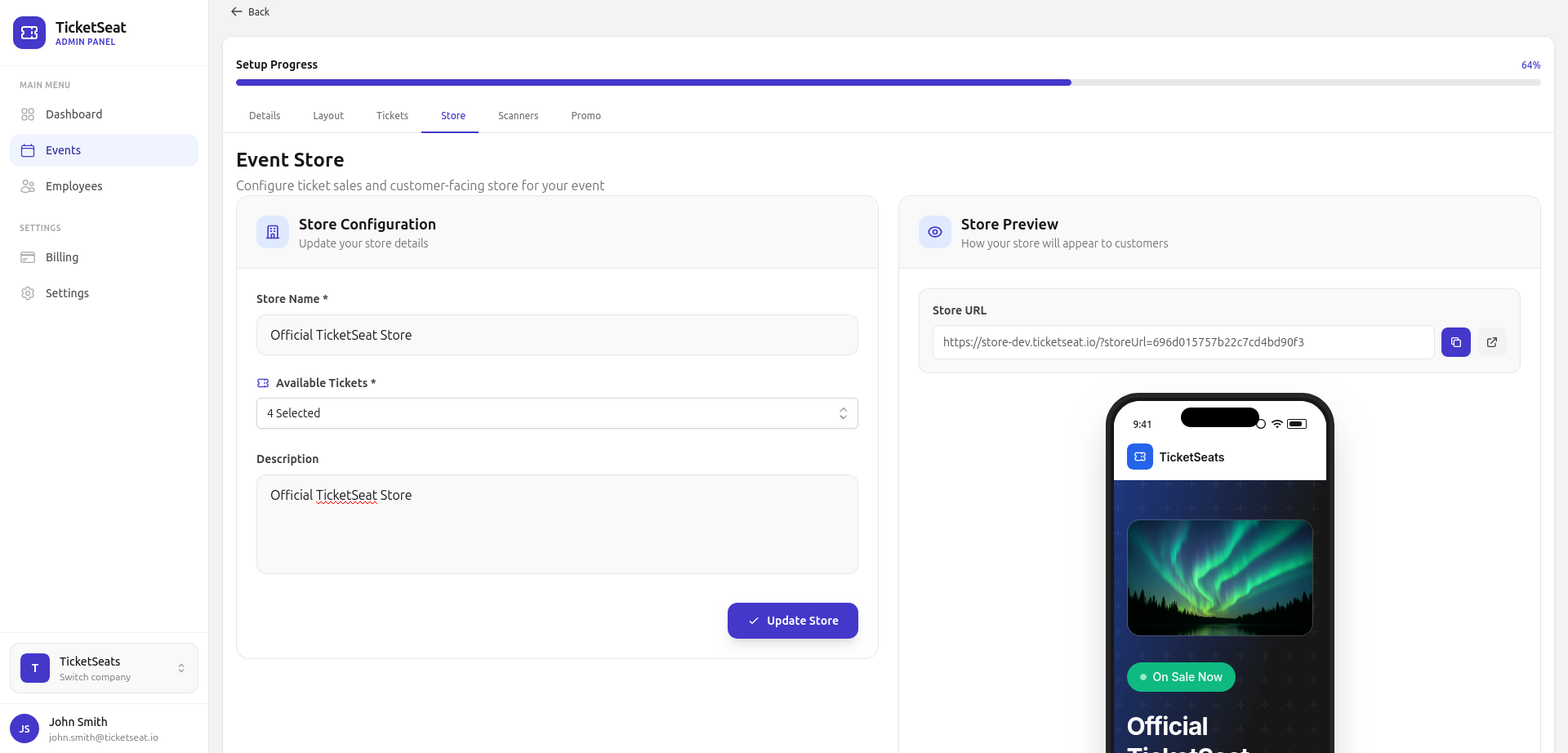
Another rising trend involves scammers creating fake event landing pages or social media profiles that mimic your official brand. Unsuspecting buyers hand over their credit card details to these fraudulent sites, receiving completely fabricated tickets in return. While you cannot control the entire internet, utilizing officially branded, secure checkout flows helps educate your buyers on where to safely purchase tickets.
6 Actionable Strategies for Ticket Fraud Prevention
Protecting your event requires a combination of smart technology, clear policies, and well-trained staff. Here are the most effective strategies to secure your admissions.
1. Enforce Strict QR Validation at the Door
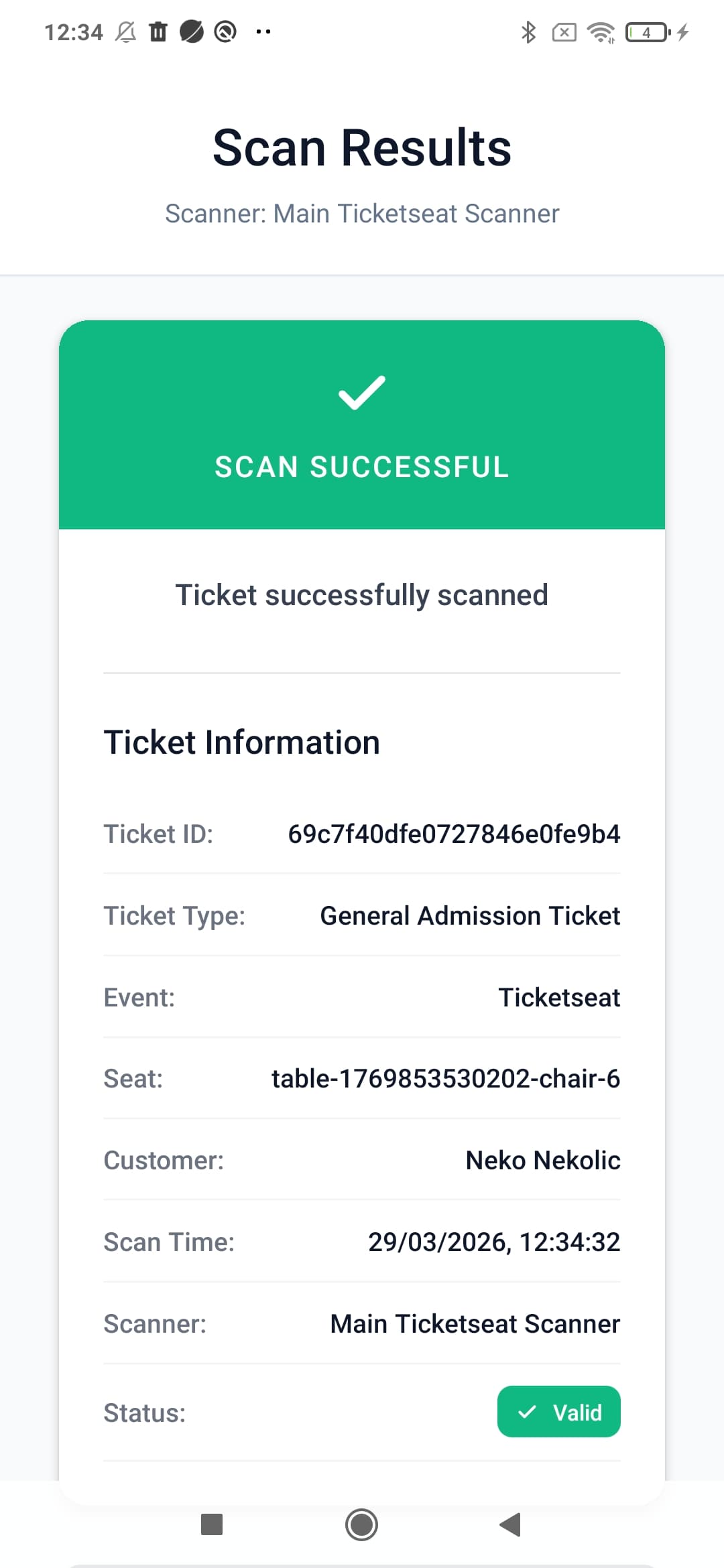
The cornerstone of modern event security is real-time QR validation. Relying on visual ticket inspections or printed guest lists is slow and highly susceptible to human error. By scanning a unique QR code for every attendee, your system instantly cross-references your database to ensure the ticket is authentic and hasn't already been used.
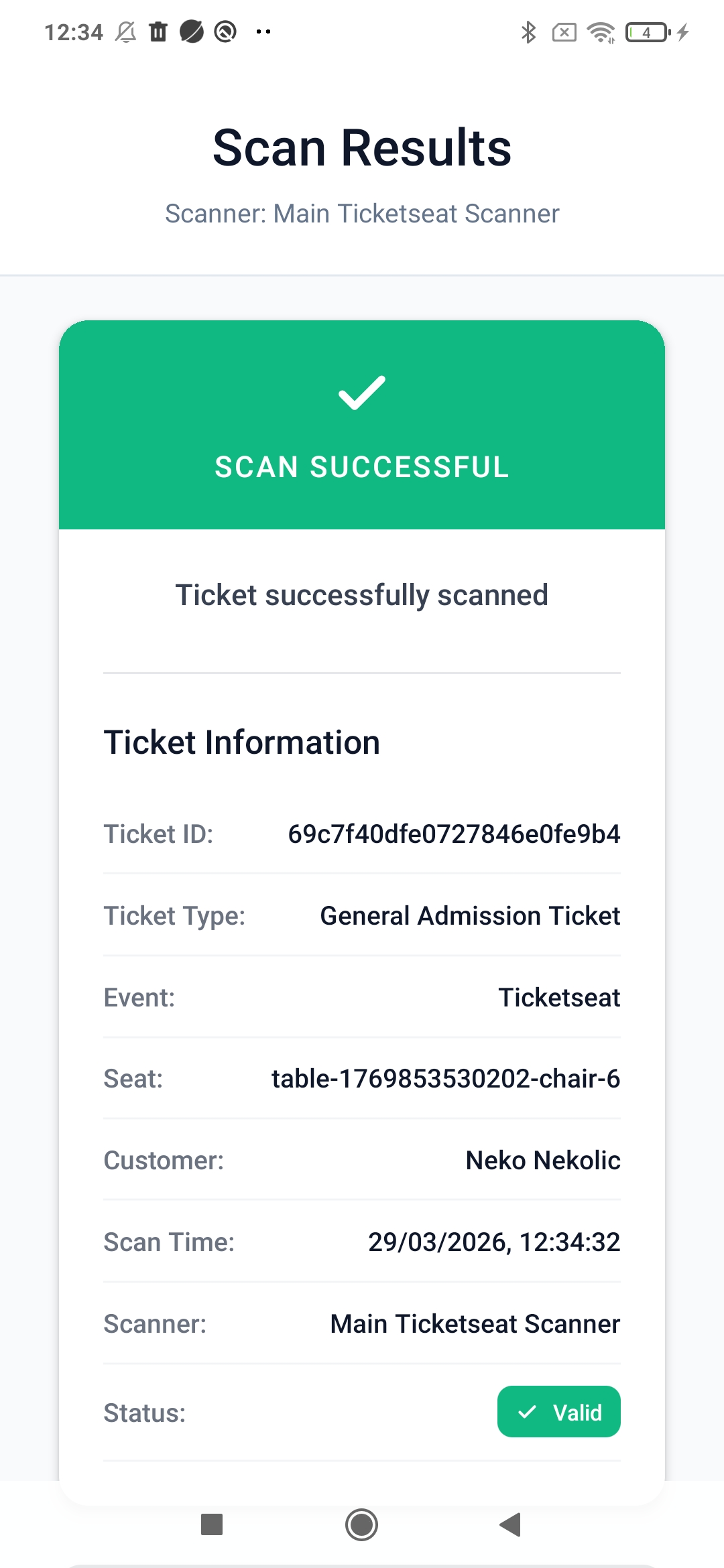
Equipping your door staff with dedicated scanner apps ensures rapid, accurate check-ins. If someone presents a ticket that has already been scanned, the app flashes an unmistakable alert, allowing your staff to confidently deny entry. For more tips on moving crowds efficiently while maintaining security, check out our guide on Event Check-In Best Practices.
2. Implement Dynamic and Secure Ticketing
To combat duplicate tickets, you must move away from easily replicable formats like basic PDFs or unencrypted email attachments. Secure ticketing platforms issue unique, encrypted QR codes that are securely tied to the purchaser's profile. When every ticket has a one-time-use digital signature, photocopying a barcode becomes entirely useless. Once the system registers a scan, any subsequent attempts to use that identical code are immediately flagged as invalid.
3. Set Smart Purchase Limits
To drastically reduce scalping, make it harder for bots and bulk buyers to hoard your inventory. Implementing strict ticket limits per transaction or per customer account is highly effective. If an event is in high demand, restricting purchases to four or six tickets per person ensures a fairer distribution among actual attendees.
Additionally, utilizing advanced box office software that monitors suspicious buying patterns—such as multiple rapid-fire purchases from the same IP address—can help you catch and block scalpers before they drain your inventory. If you are setting up your box office for a major launch, review our comprehensive resource on How to Sell Tickets Online.
4. Lock Down Internal Security with Team Permissions
Fraud doesn't always originate from the outside. Sometimes, well-meaning but undertrained staff can accidentally issue invalid comps, or disgruntled employees might generate unauthorized tickets. Utilizing granular team permissions within your ticketing dashboard is a vital component of ticket fraud prevention.
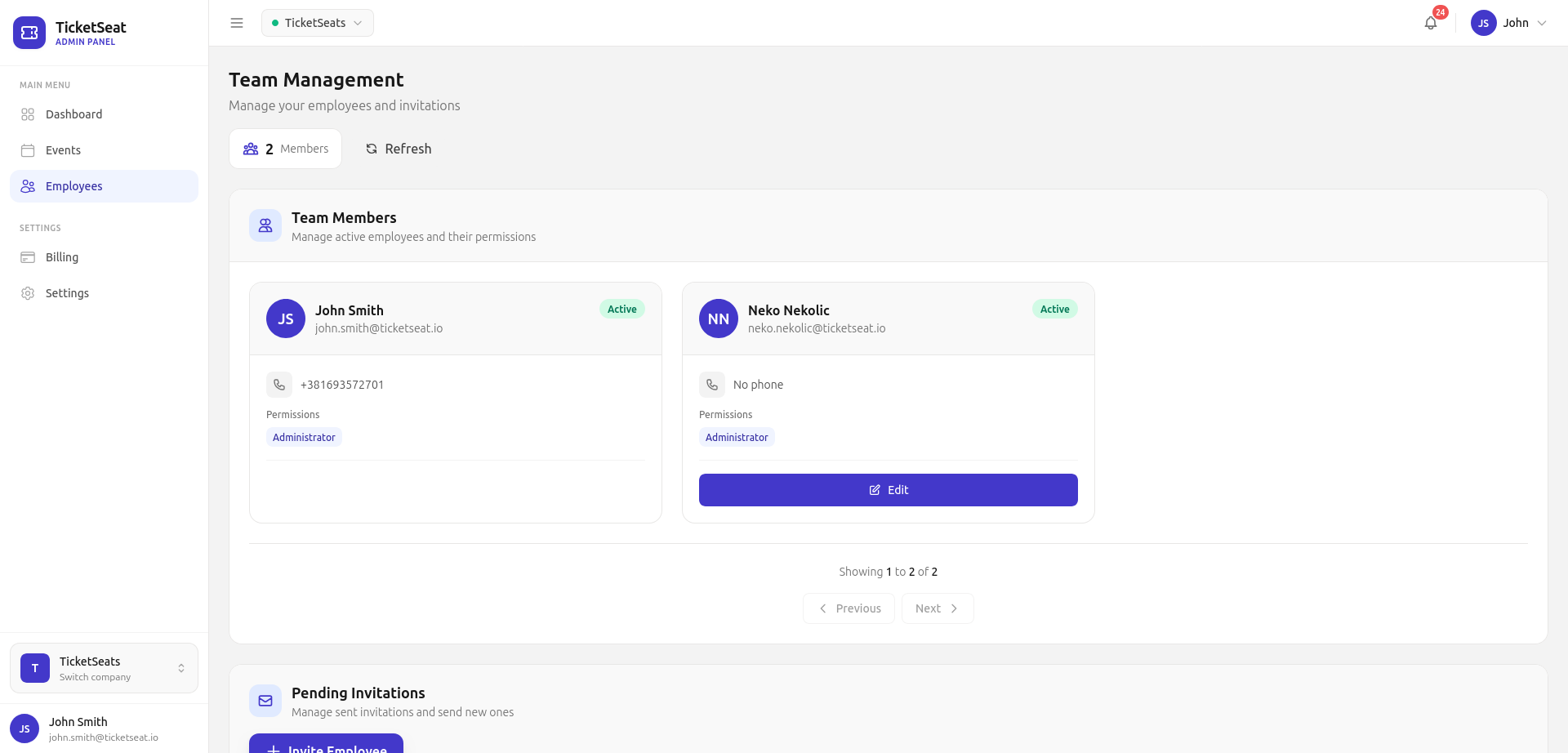
By assigning specific roles—ensuring that only admins can issue refunds or generate complementary tickets, while door staff are restricted strictly to scanning—you close internal security loopholes. A strict chain of command within your software ensures every ticket generated is accounted for and legitimate.
5. Transition to Reserved Seating
General admission events are historically easier for scammers to exploit because there is no specific seat tied to the buyer. Transitioning to reserved seating adds a significant layer of security. If a scammer sells duplicate tickets for Seat A4, the conflict becomes instantly apparent the moment two people try to occupy the exact same physical chair. The natural friction of assigned seating acts as a powerful deterrent to fraudsters.
6. Establish Transparent Refund Policies
Chargeback fraud occurs when a buyer purchases a ticket, attends the event, and then falsely claims to their bank that the transaction was unauthorized. To fight this, you need a bulletproof digital paper trail. Secure ticketing platforms log the exact timestamp and IP address of the purchase, as well as the exact timestamp of the QR validation at the door. Providing this detailed evidence to payment processors like Stripe makes it much easier to win fraudulent chargeback disputes. Learn more about protecting yourself in our guide on Ticket Refunds and Exchanges.
The True Cost of Insecure Ticketing
Choosing the wrong ticketing method can lead to massive revenue leaks and damaged audience trust. Here is a breakdown of how different ticketing methods stack up against fraud.
| Ticketing Method | Susceptibility to Scalping | Risk of Duplicate Tickets | Chargeback Defense |
|---|---|---|---|
| Paper/Cash Sales | High (Physical hoarding) | High (Counterfeiting) | Low (No digital trail) |
| Basic PDF Downloads | High (Easy to resell) | High (Easy to copy/print) | Medium (Purchase log only) |
| Secure Ticketing (QR) | Low (Purchase limits) | Zero (One-time scan) | High (Scan timestamps) |
Migrating to a platform that prioritizes security protects the bottom line while keeping your box office running smoothly under pressure.
Frequently asked questions
What is the most effective way to stop duplicate tickets?
The absolute best defense against duplicate tickets is enforcing strict, real-time QR validation using a dedicated scanner app. When a unique QR code is scanned successfully, the system immediately marks it as used, instantly invalidating any screenshots or photocopies that attempt to enter later.
Do scanners need an internet connection to prevent fraud?
While real-time syncing across multiple doors requires an internet or cellular connection, robust secure ticketing apps can operate in offline modes. They download the attendee database beforehand and validate codes locally, syncing the data once the connection is restored.
How does scalping hurt event organizers if the tickets are already sold?
Even though the organizer gets paid for the initial sale, scalping damages long-term revenue. Fans forced to pay triple the face value have less money to spend on merchandise or concessions at your venue. Furthermore, it creates deep resentment among your audience, damaging your brand's reputation and hurting future ticket sales.
Are paper tickets completely obsolete?
While paper tickets hold nostalgic value, they are highly vulnerable to counterfeiting and offer no digital data for tracking attendees or fighting chargebacks. Modern venues are rapidly replacing them with digital, cryptographically secure QR codes.
Stop Fraud in Its Tracks with TicketSeat
Managing an event is stressful enough without having to play detective at the box office. With TicketSeat, ticket fraud prevention is built directly into the core of your platform. Our platform equips organizers with bank-level secure ticketing, ensuring that every ticket generated is unique, traceable, and protected against duplication.
With TicketSeat, you get access to a lightning-fast QR scanner app that spots duplicate tickets instantly, customizable purchase limits to combat scalping, and granular team permissions to secure your internal box office. Best of all, TicketSeat offers flat, transparent pricing with no setup fees and no restrictive contracts. Plus, free events are always completely free. Ready to protect your revenue and your attendees? Start building your secure box office with TicketSeat today.
TicketSeat Team
Sharing insights about event ticketing, platform updates, and industry best practices.
Related Articles
View all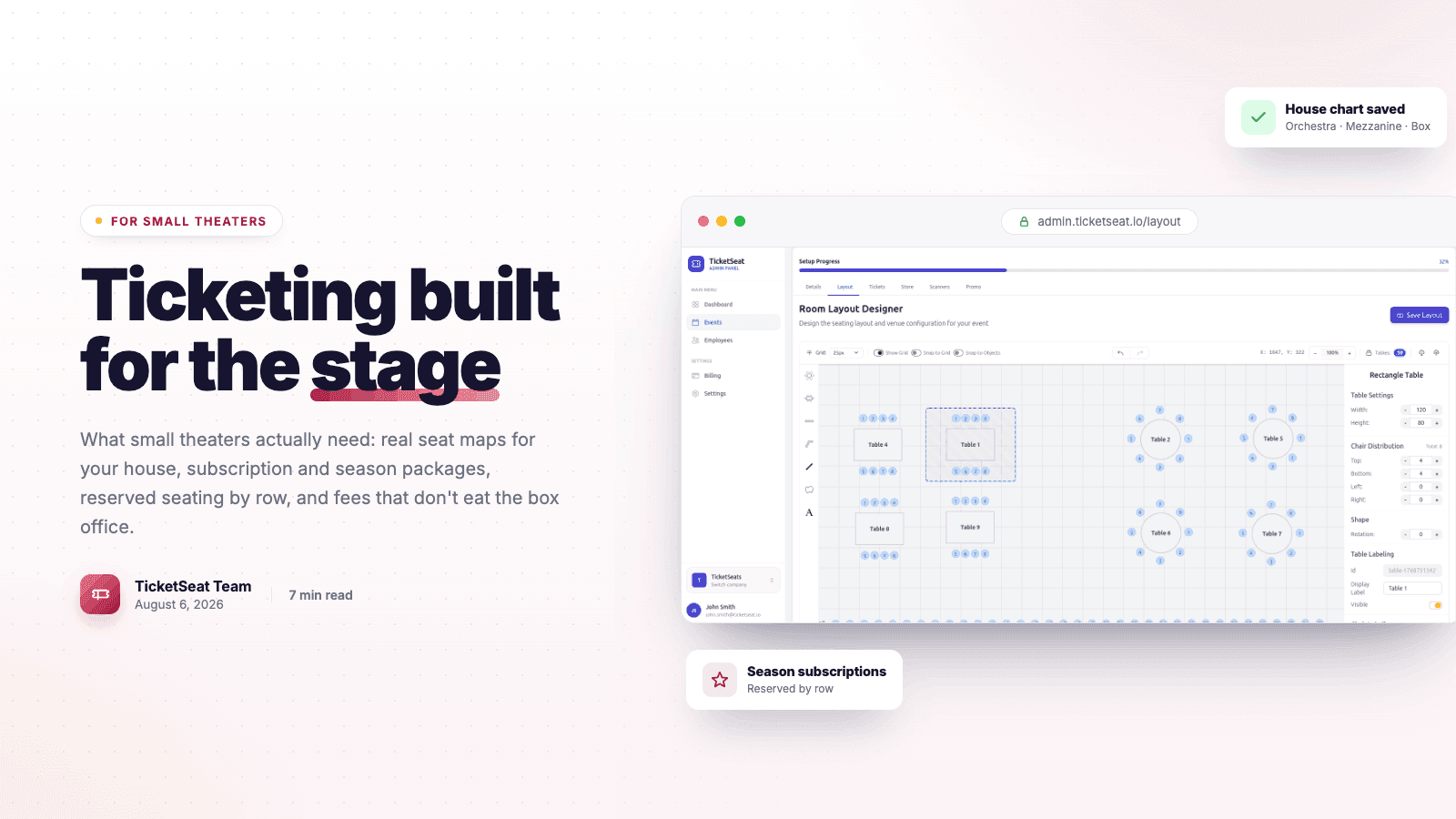
Theater Ticketing Software: What Small Theaters Actually Need
Finding the right theater ticketing software shouldn't mean paying for bloated features. Learn how small theaters can leverage reserved seating, intuitive box office tools, and interactive seating charts to boost revenue and delight patrons.
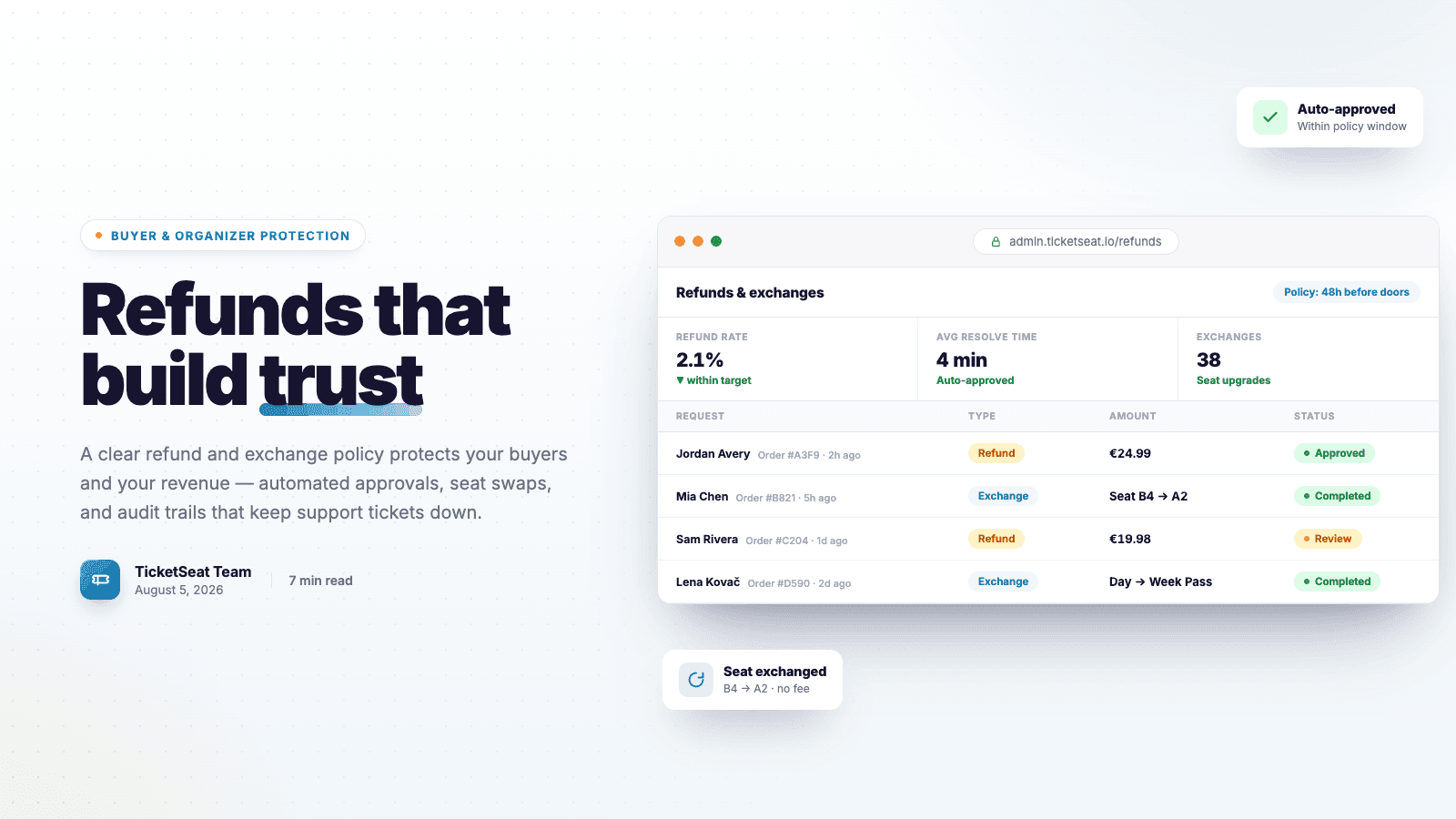
Ticket Refunds and Exchanges: Protection For Organizers AND Buyers
Learn how to write an airtight ticket refund policy that protects your event revenue. Discover best practices for handling refunds, processing exchanges, and preventing costly chargebacks.
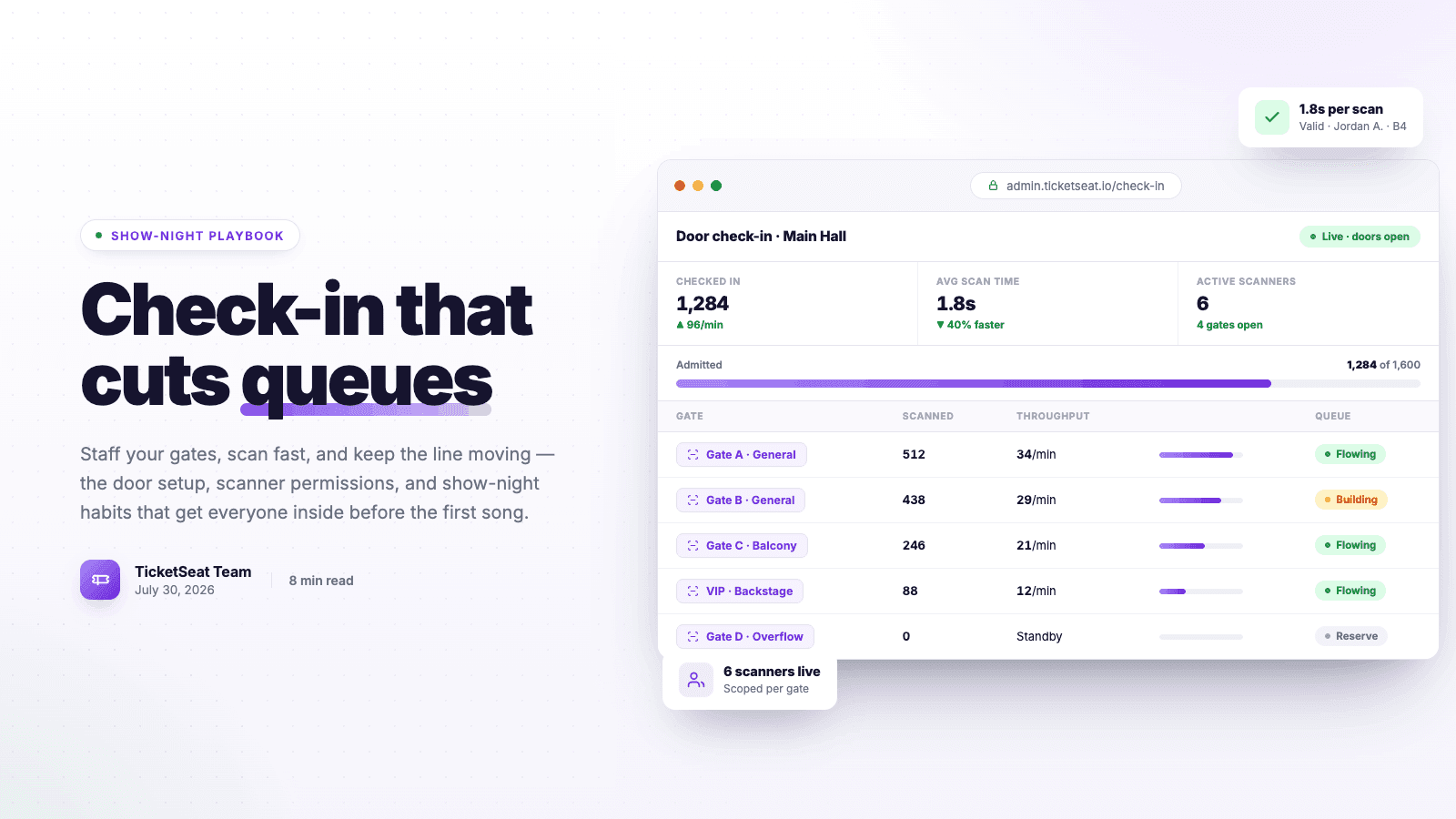
Event Check-In Best Practices: Cut Queues on Show Night
Master your event check-in process to eliminate long queues and elevate the attendee experience. Learn top strategies for entry management, empowering door staff, and boosting your check-in speed.
Compare Ticketseat
See how Ticketseat stacks up against other ticketing platforms.
Ready to Transform Your Event Ticketing?
Join thousands of event organizers who trust Ticketseat for their ticketing needs.