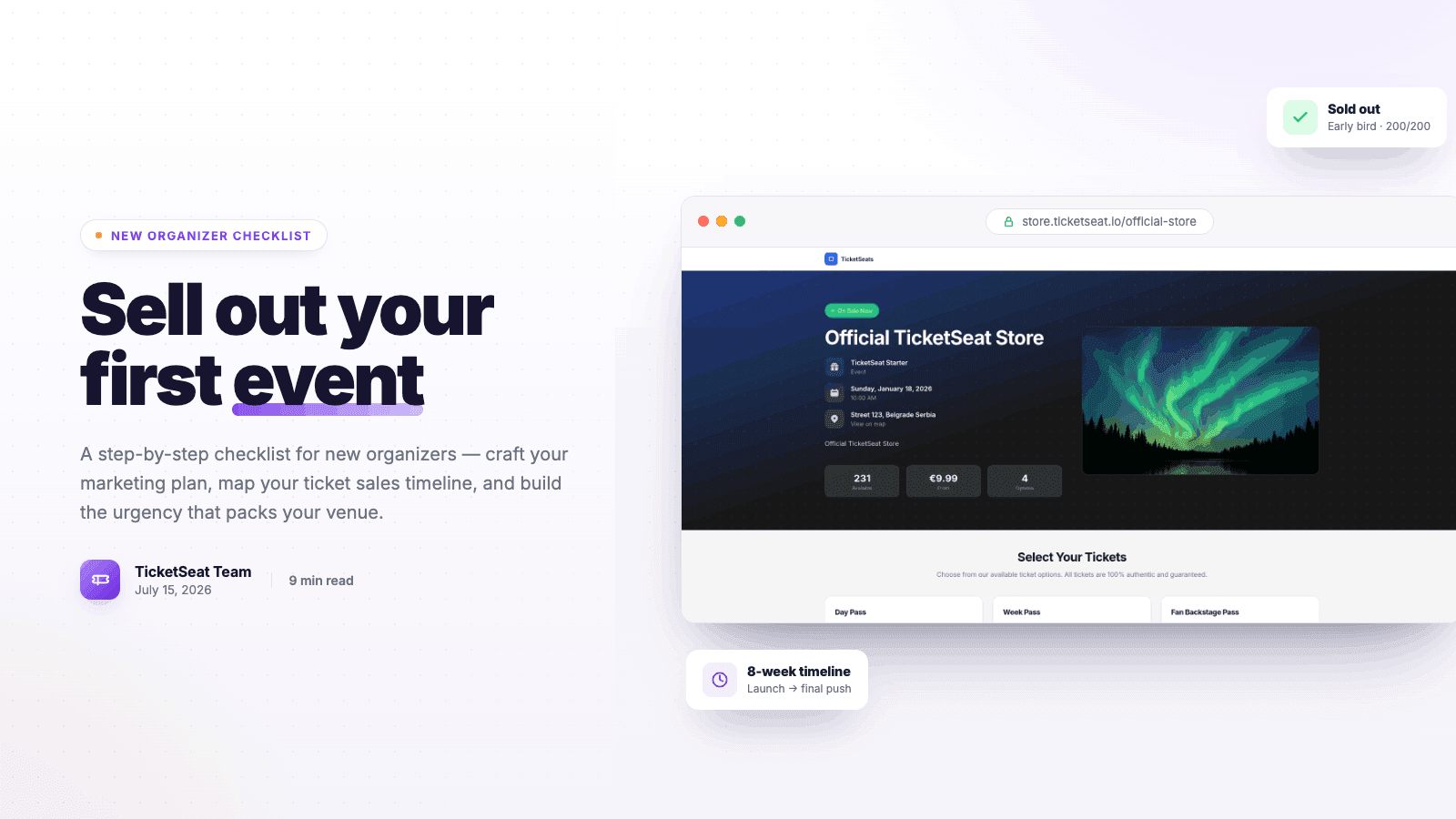
Figuring out exactly how to sell out an event doesn't require a massive advertising budget or years of industry experience. When planning your first event, success comes down to a well-structured strategy, targeted outreach, and creating early momentum that drives continuous ticket sales. By following a proven checklist and utilizing tools that streamline the attendee experience, you can confidently pack your venue and build a loyal audience from day one.
Why Your First Event Needs a Structured Approach
When organizing an event for the very first time, it is easy to assume that if you simply build a registration page, people will naturally find it and buy tickets. However, a "build it and they will come" mentality rarely yields a full house. Without an established reputation or an existing community of past attendees, your first event must rely entirely on a robust strategy to convince potential buyers that your experience is worth their time and money.
Failing to establish a clear roadmap often results in panicked, last-minute marketing pushes that burn through your budget. By establishing a formalized approach from day one, you ensure that every announcement, email, and social media post serves a specific purpose.
Phase 1: Crafting Your Event Marketing Plan
Your event marketing plan acts as the foundational blueprint for all your promotional activities. It dictates who you are talking to, what channels you are using, and the core message that will convince your audience to pull out their credit cards.
Define Your Target Audience
Before you write a single piece of promotional copy, you must clearly define your ideal attendee. A generalized approach waters down your message. Ask yourself:
- What specific problem is your event solving for attendees?
- What demographics or interest groups are most likely to attend?
- Where do these individuals spend their time online (e.g., LinkedIn, Instagram, specialized forums)?
By pinpointing your audience, your event promotion becomes far more cost-effective. You won't waste effort broadcasting to the masses; instead, you can engage deeply with the niche communities that will actually convert into ticket buyers.
Design a High-Converting Ticketing Page
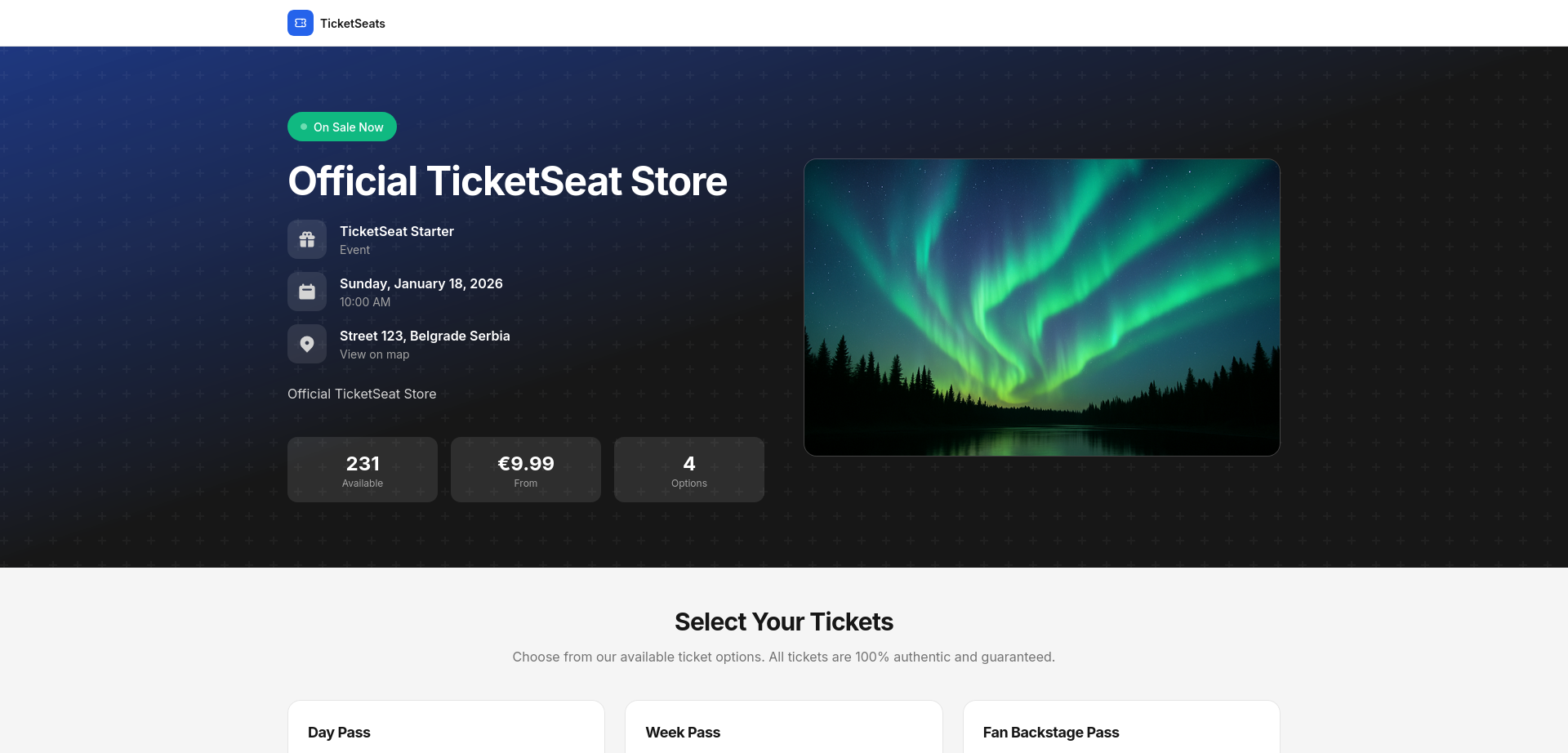
Your promotional efforts are ultimately meant to drive traffic to your ticketing page. If that page is confusing, slow, or looks unprofessional, you will lose sales at the final hurdle. For a detailed walkthrough on creating a reliable setup, check out our guide on How to Sell Tickets Online: Complete 2026 Guide.
Your landing page should clearly outline the date, time, location, and the primary benefits of attending. Make sure your call-to-action (CTA) buttons are highly visible and that the purchasing process is seamless across both desktop and mobile devices.
Phase 2: Mapping Out Your Ticket Sales Timeline
A critical element in learning how to sell out an event is understanding that ticket sales rarely happen evenly over time. Typically, event organizers see an initial spike in sales during the launch, followed by a lull in the middle, and a massive surge right before the doors open. Your ticket sales timeline should be specifically designed to maintain momentum during that middle slump.
Create Urgency with Phased Pricing
One of the most effective strategies to drive early conversions is tiered pricing. Start with an "Early Bird" discount that rewards your most eager supporters. Once that allocation sells out (or a specific date passes), prices should increase to standard rates.
This pricing structure gives you a built-in reason to email your list and post on social media: "Only 48 hours left to grab Early Bird tickets!" Human beings are naturally loss-averse, and the fear of paying more later will prompt them to act now.
Utilize Reserved Seating to Drive Scarcity
If your venue supports it, offering reserved seating instead of General Admission (GA) can significantly boost early sales. When buyers see a visual map of the venue and realize that the best seats are disappearing, it triggers a strong sense of FOMO (Fear Of Missing Out).
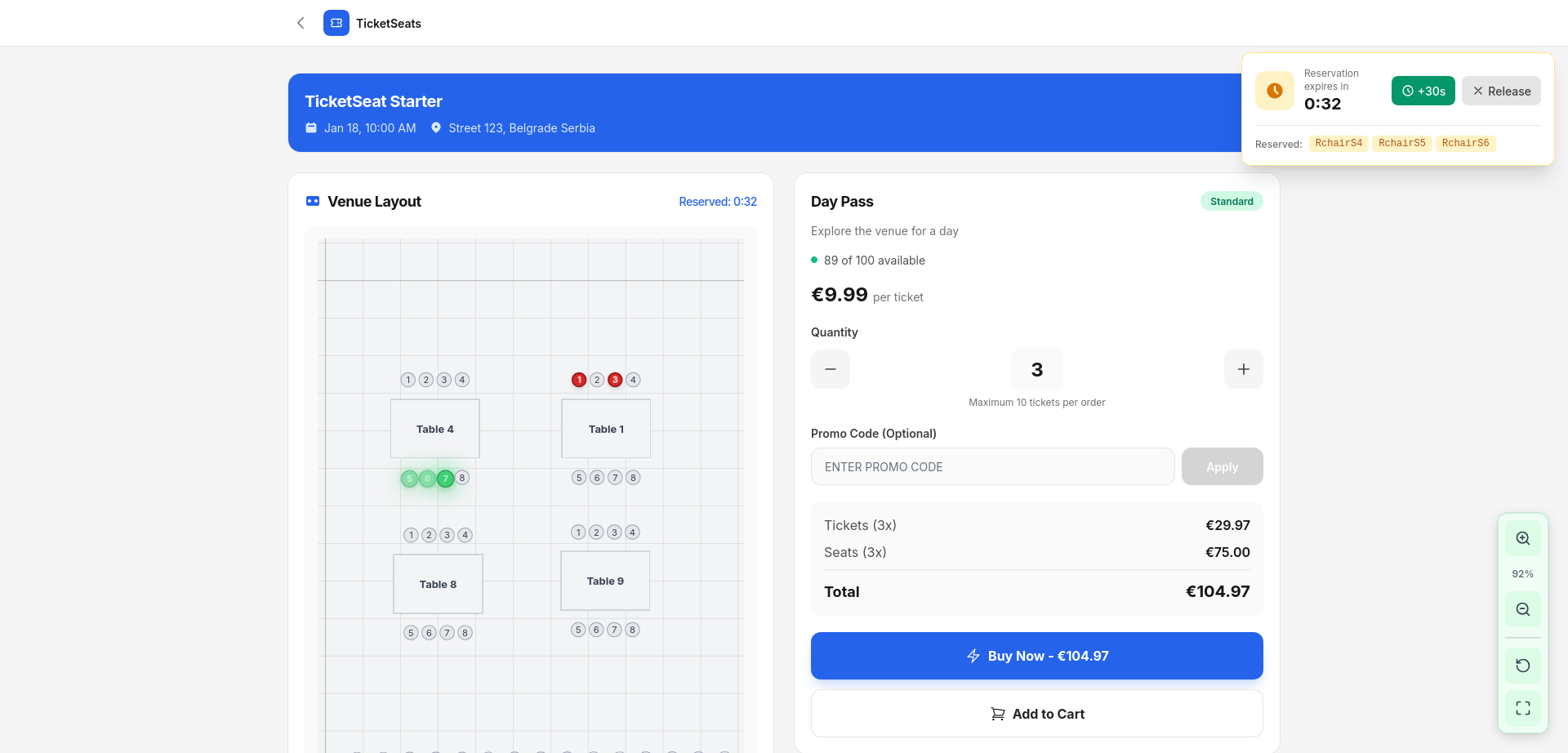
For more insight on strategically mapping your floor plan, read our post on How to Set Up a Seating Chart for Your Venue. A clear, interactive map lets buyers claim their preferred spots, which not only accelerates the purchasing decision but also enhances the overall customer journey.
Phase 3: Executing Your Event Promotion Strategy
With your timeline mapped and your ticketing page live, it's time to execute the core of your event marketing plan. Effective event promotion blends multiple digital channels to ensure you stay top of mind.
Leverage Social Proof and Partnerships
Since this is your first event, you might not have photos or videos of previous packed crowds to use as social proof. Instead, leverage the credibility of your partners, sponsors, or guest speakers. Ask your speakers or performers to share custom promo codes with their respective audiences.
Additionally, partner with local businesses or community groups whose audience overlaps with yours. Co-marketing agreements—such as offering a ticket giveaway to a partner's email list—can instantly expose your event to hundreds or thousands of warm leads.
Build a Value-Driven Email Campaign
Social media algorithms can be unpredictable, but you own your email list. Your email strategy shouldn't just spam subscribers with "Buy Tickets" messages. Instead, provide a mix of value and promotion:
- Week 1: Announcement and early bird launch.
- Week 2: Spotlight on a keynote speaker, performer, or unique venue feature.
- Week 3: Behind-the-scenes look at the planning process.
- Week 4: Urgent reminder of an upcoming price increase.
Proactive vs. Reactive Ticket Selling
To better understand what separates a sold-out success from an empty room, consider the differences between a proactive and reactive approach to selling tickets:
| Feature/Strategy | Proactive Strategy (Sells Out) | Reactive Strategy (Struggles) |
|---|---|---|
| Ticket Sales Timeline | Phased pricing with scheduled urgency points. | Setting one price and waiting for sales. |
| Marketing Focus | Targeting specific, defined audience personas. | Broadcasting to everyone in the local area. |
| Scarcity Tactics | Utilizing interactive seat maps to show real-time availability. | Unlimited General Admission until the venue is full. |
| Data Tracking | Monitoring traffic and promo code usage weekly to adjust the plan. | Checking the bank account a week before the event. |
| Partnerships | Co-marketing with speakers, sponsors, and local groups. | Relying entirely on the organizer's personal network. |
Phase 4: Keeping Momentum Going Until Sale Day
The final two weeks before your event are crucial. This is when the "wait-and-see" crowd finally makes their decision. Your event marketing plan should include a distinct retargeting and final-push phase.
Team Collaboration and Tracking
You need to know exactly which marketing channels are converting. Are people coming from your targeted Instagram ads, or are they using a promo code supplied by one of your sponsors? By actively monitoring your daily registration stats, you can redirect your budget and energy toward the strategies that are working.
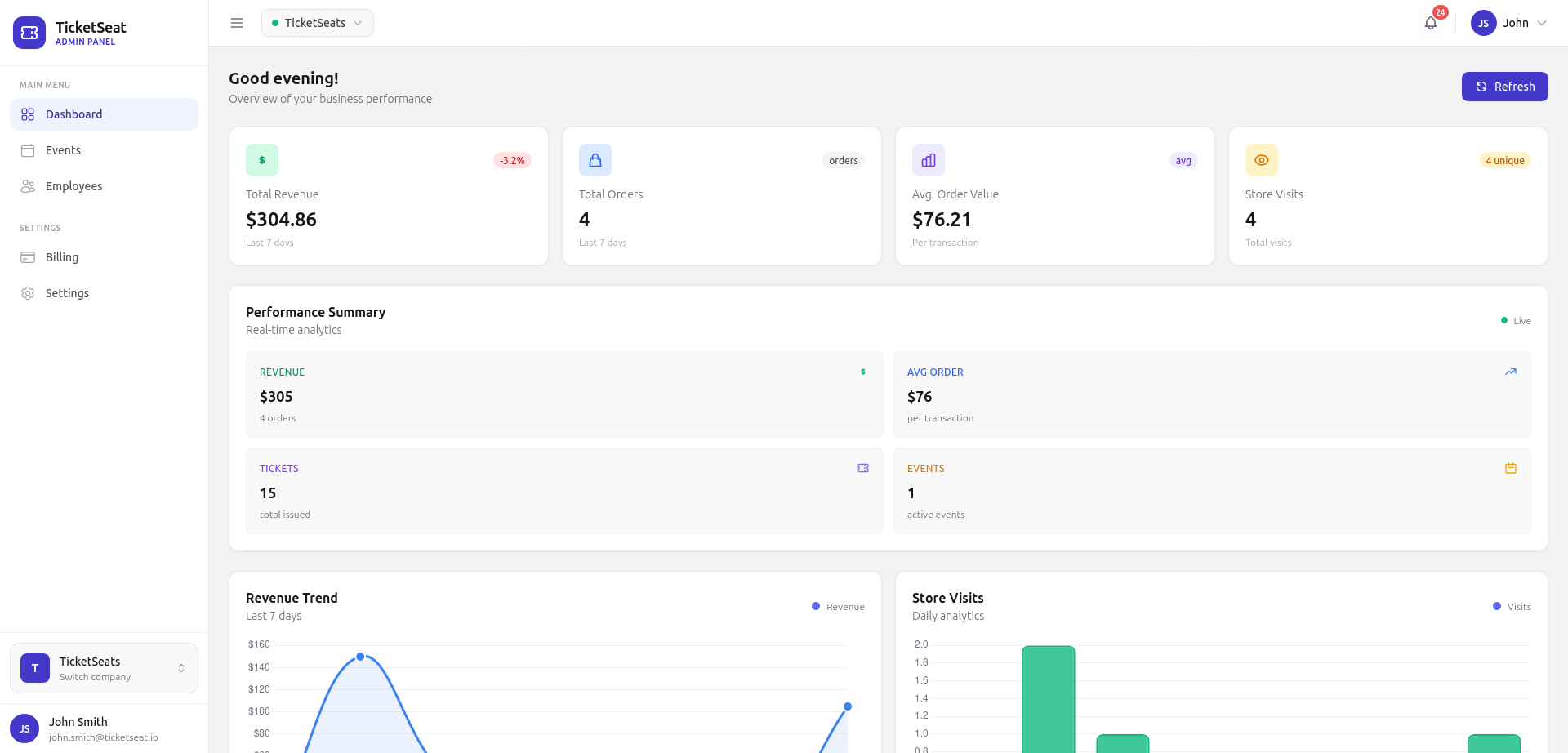
Reviewing this data continuously ensures you are never flying blind. If you notice a particular influencer's promo code is driving the most traffic, you might offer them a higher commission to push the event again in the final week.
Designing the Ultimate Final Push
In the last 7 to 10 days, shift your messaging purely toward urgency. Update your landing page heavily with phrases like "Almost Sold Out" or "Limited Seats Remaining." If you are offering tiered VIP packages and they sell out, ensure a prominent "Sold Out" badge is displayed over those ticket types. Seeing that other ticket tiers are no longer available proves to the buyer that demand is high, encouraging them to quickly snag the remaining General Admission or lower-tier reserved seats.
For more advanced strategies on displaying scarcity, check out how Interactive Seat Maps: Boost Conversions 40%.
Frequently asked questions
When should I start promoting my first event?
For your first event, aim to begin promotions at least 8 to 12 weeks before the event date. This gives you ample time to test out your messaging, adjust your marketing channels if something isn't working, and execute multiple pricing tiers to build urgency.
How do I track which promotions are working?
The easiest way is to use customized promo codes for different channels (e.g., INSTATIX for Instagram, NEWSLETTER25 for your email list). Alternatively, use trackable UTM links to see exactly where the traffic on your ticketing page is originating from.
Should I offer deep discounts to sell out faster?
It is generally better to use phased pricing (starting low and increasing the price over time) rather than discounting tickets near the end. Offering last-minute discounts trains your audience to wait until the final hour to buy, and it punishes the early supporters who paid full price.
What if sales stall in the middle of my campaign?
It is highly normal for a ticket sales timeline to experience a slump midway through. Reactivate your audience by introducing a new asset—such as announcing a surprise guest, revealing localized partnerships, or initiating a 48-hour flash sale for groups.
Sell Out Your Next Event with TicketSeat
Mastering how to sell out an event requires absolute focus on your attendees and your marketing flow. You shouldn't have to worry about clunky ticketing interfaces, exorbitant hidden fees, or managing complicated payouts while trying to run your operations.
With TicketSeat.io, you get all the tools necessary to execute your event marketing plan flawlessly. From an intuitive drag-and-drop venue designer that powers interactive seat maps, to robust promo code tracking and team permission management, TicketSeat is built to help organizers maximize conversions.
Best of all, our flat, transparent pricing structure means you always know exactly what to expect—no surprise percentage cuts, no setup fees, and no long-term contracts. Free events are always entirely free to host. Furthermore, your funds are secured rapidly through our seamless Stripe payouts, giving you the cash flow you need to run those final promotional campaigns.
Stop letting outdated ticketing software bottleneck your growth. Launch your ticketing page, empower your audience with beautiful reserved seating, and sell out your next big idea with TicketSeat.
TicketSeat Team
Sharing insights about event ticketing, platform updates, and industry best practices.
Related Articles
View all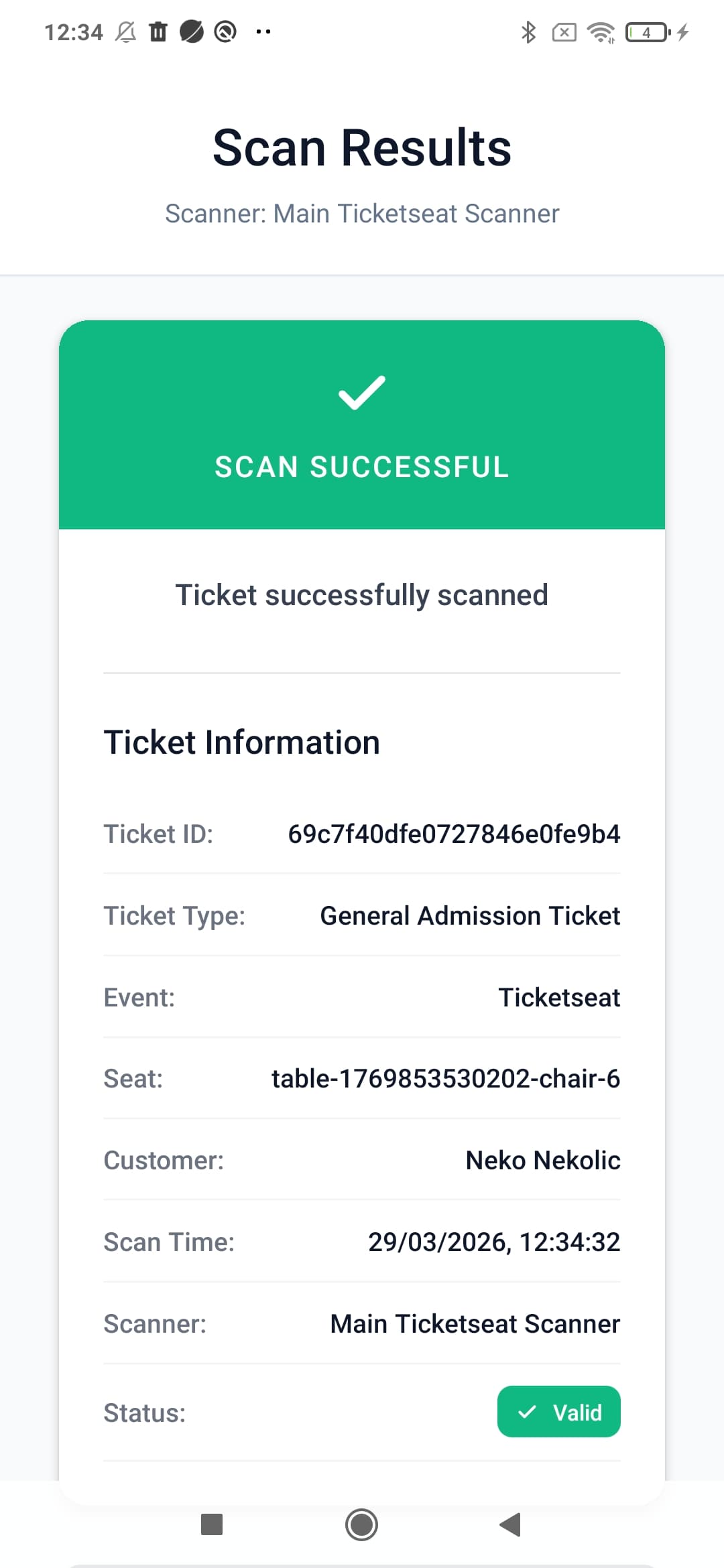
How to Prevent Ticket Fraud and Scalping at Your Events
Protect your event revenue and attendees by mastering ticket fraud prevention. Learn how to stop duplicate tickets, implement QR validation, and combat scalping.
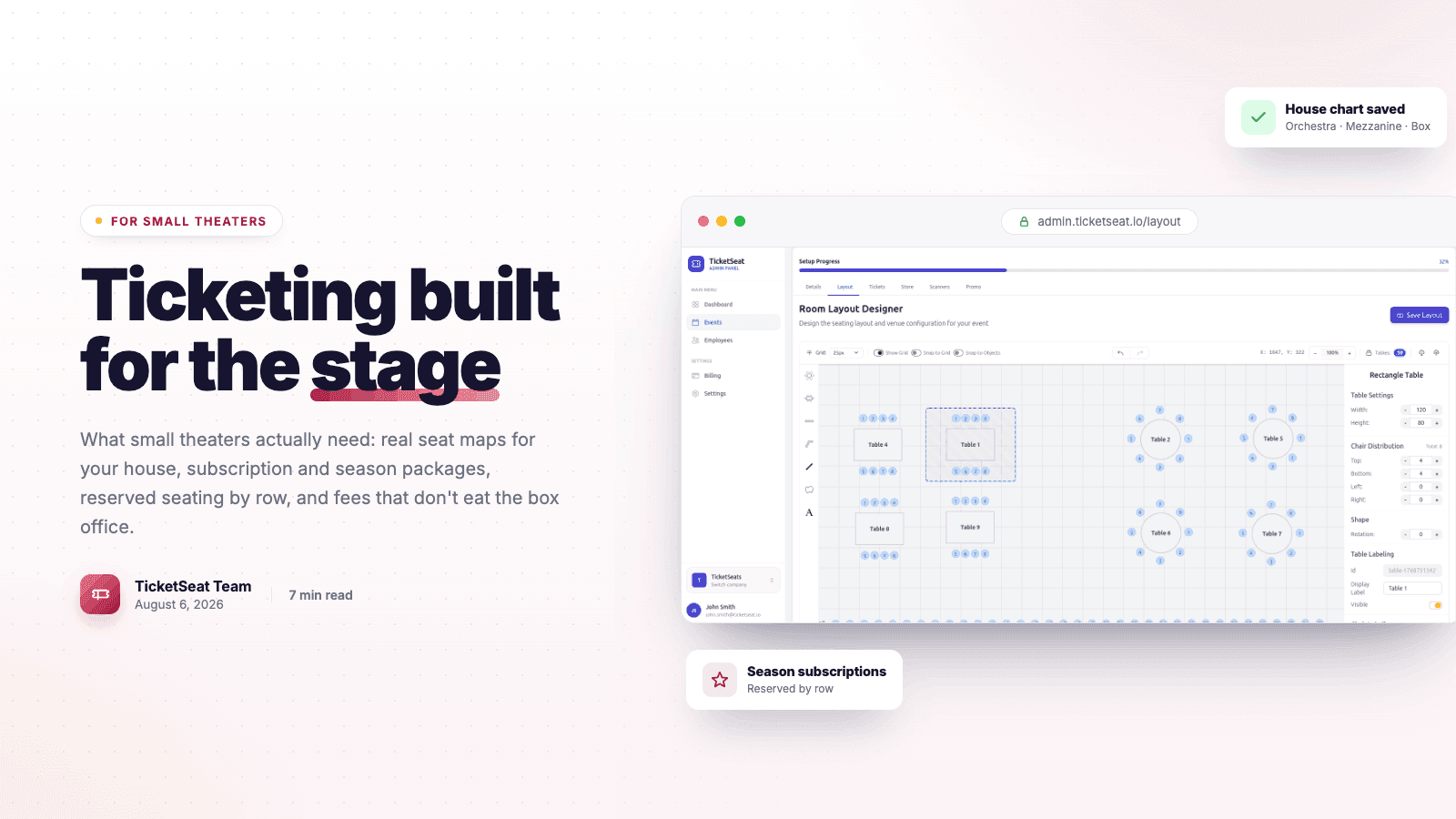
Theater Ticketing Software: What Small Theaters Actually Need
Finding the right theater ticketing software shouldn't mean paying for bloated features. Learn how small theaters can leverage reserved seating, intuitive box office tools, and interactive seating charts to boost revenue and delight patrons.
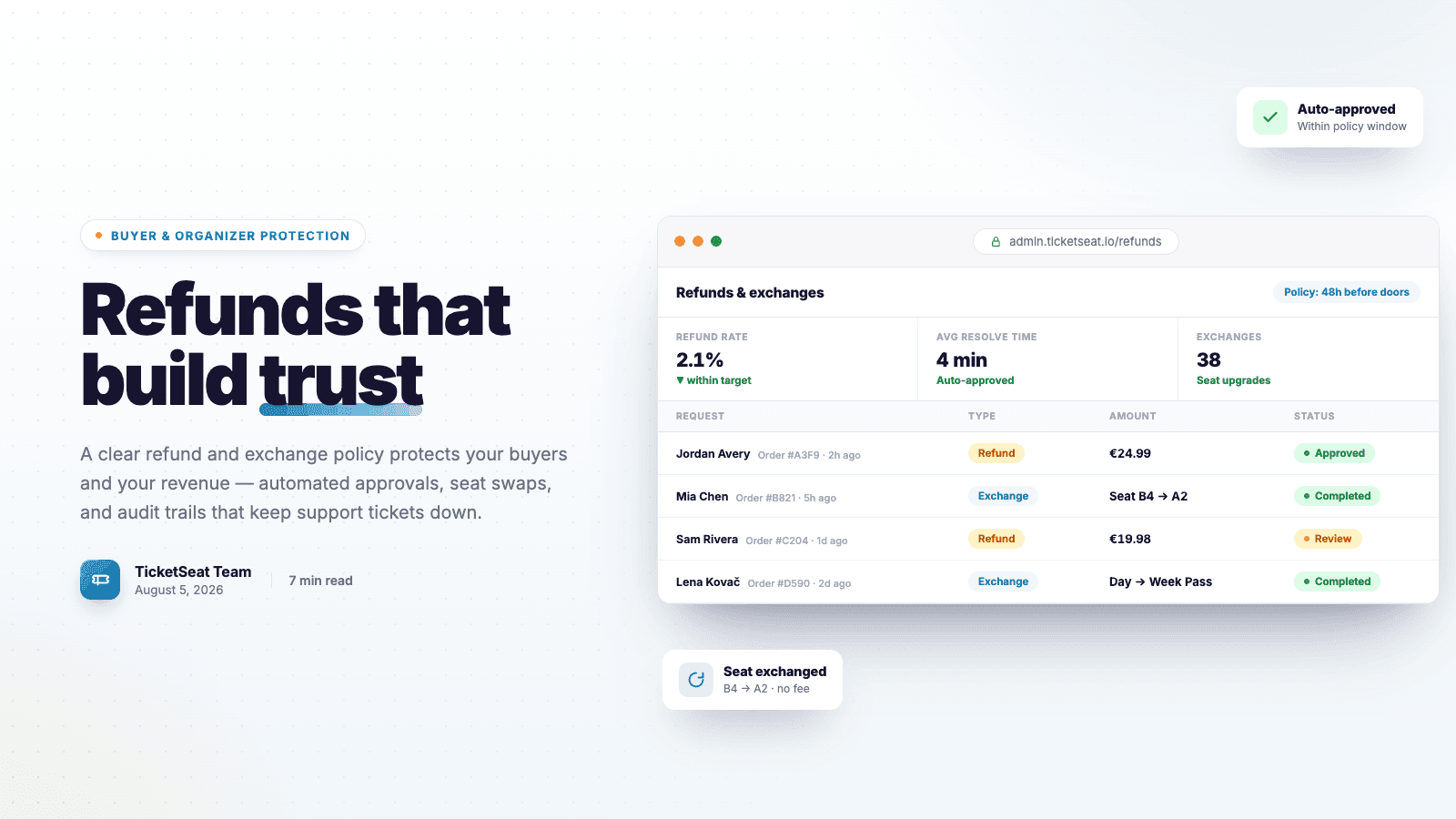
Ticket Refunds and Exchanges: Protection For Organizers AND Buyers
Learn how to write an airtight ticket refund policy that protects your event revenue. Discover best practices for handling refunds, processing exchanges, and preventing costly chargebacks.
Compare Ticketseat
See how Ticketseat stacks up against other ticketing platforms.
Ready to Transform Your Event Ticketing?
Join thousands of event organizers who trust Ticketseat for their ticketing needs.